

Factory floor marking is a critical component of workplace safety and operational efficiency in industrial environments. Whether you're managing a manufacturing facility in Newport, a distribution centre in Cardiff, or a processing plant anywhere across South Wales, proper floor markings can significantly reduce accidents, improve workflow, and ensure regulatory compliance.
At Roman Road Marking, we've spent over 30 years helping industrial facilities across South Wales and South West England create safer, more organised workspaces through professional floor marking solutions. Our ISO 9001 certified team understands the unique challenges faced by factory managers and safety officers when it comes to maintaining clear, durable markings in demanding industrial environments.
Why Factory Floor Marking Matters
Industrial accidents cost UK businesses millions of pounds annually, with many incidents directly linked to poor visibility, unclear pedestrian routes, or inadequate hazard identification. Professional factory floor marking addresses these risks by creating visual boundaries that guide movement, identify dangers, and establish safe working zones.
Modern factories face increasing regulatory scrutiny, with Health and Safety Executive (HSE) inspections focusing heavily on workplace organisation and risk mitigation. Clear floor markings demonstrate your commitment to employee safety while helping you meet legal obligations under the Workplace (Health, Safety and Welfare) Regulations 1992.
Key Benefits of Professional Floor Marking
Professional factory floor marking delivers measurable improvements across multiple operational areas. Accident reduction is perhaps the most significant benefit, with properly marked pedestrian walkways, machinery zones, and hazard areas dramatically reducing the likelihood of collisions between workers, vehicles, and equipment.
Operational efficiency also improves when workers can quickly identify storage areas, production zones, and emergency routes. This is particularly important in large facilities where new employees or visitors might otherwise struggle to navigate safely.
Types of Factory Floor Markings
Different areas of your facility require specific marking solutions, each designed to communicate particular safety or operational information to workers and visitors.
Pedestrian Walkways and Safety Lanes
Clearly defined pedestrian routes are essential in busy industrial environments where forklifts, automated guided vehicles, and other machinery operate. Yellow is the standard colour for pedestrian walkways, providing high visibility against most factory floor surfaces. These markings should be wide enough to accommodate two-way foot traffic while maintaining safe distances from machinery and vehicle routes.
Our thermoplastic road marking materials offer exceptional durability for high-traffic pedestrian areas, resisting wear from constant foot traffic and cleaning regimes.
Equipment and Machinery Zones
Machinery zones require clear demarcation to prevent unauthorised access and establish safe working distances. Red markings typically indicate restricted areas around dangerous equipment, while white or yellow lines can define equipment boundaries and maintenance access points.
Consider the operational requirements of each piece of equipment when planning these markings. Maintenance teams need adequate space to work safely, while production staff require clear sight lines to identify equipment status and potential hazards.
Storage and Inventory Areas
Organised storage is crucial for both safety and efficiency. Floor markings help define storage bays, loading zones, and inventory areas, reducing the risk of items being placed in inappropriate locations where they might create hazards or disrupt operations.
White or blue markings work well for general storage areas, while specific colours can indicate different product categories or storage requirements. This systematic approach becomes particularly valuable during busy periods or when temporary staff are working in the facility.
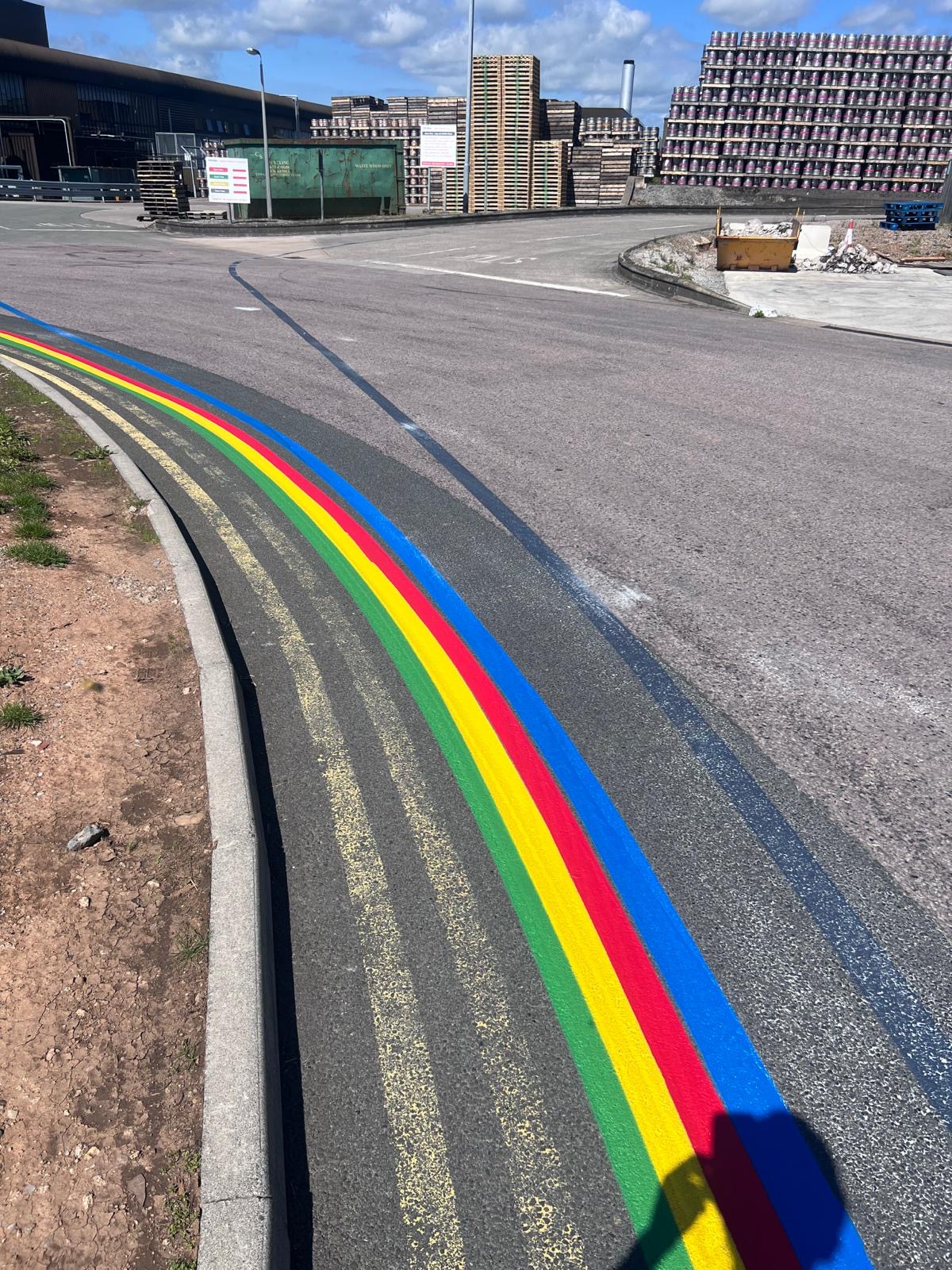
Choosing the Right Marking Materials
Factory environments subject floor markings to harsh conditions including heavy traffic, chemical exposure, temperature variations, and regular cleaning with industrial equipment. The marking materials you choose must withstand these challenges while maintaining visibility and adhesion.
Thermoplastic Markings for Heavy-Duty Applications
Thermoplastic materials excel in demanding industrial environments, offering superior durability compared to standard paints. These markings bond directly with the floor surface when heated during application, creating a long-lasting solution that can withstand forklift traffic, pallet jack use, and aggressive cleaning procedures.
The initial investment in thermoplastic markings often proves cost-effective over time, as these materials require less frequent renewal than painted alternatives. This reduces both material costs and operational disruption from remarking activities.
Specialised Paint Systems
Our road marking paint systems include chlorinated rubber formulations specifically designed for industrial applications. These paints offer excellent chemical resistance and rapid curing times, minimising downtime during application.
For areas requiring enhanced slip resistance, we can incorporate aggregates into paint systems, providing additional traction in areas where spillages or moisture might create slip hazards.
Planning Your Factory Floor Marking Project
Successful factory floor marking projects require careful planning that considers both current operations and future expansion plans. Start by conducting a comprehensive assessment of your facility, identifying high-risk areas, traffic patterns, and regulatory requirements.
Colour Standards and Consistency
Consistency in colour coding helps workers quickly understand marking meanings across your entire facility. While industry standards provide guidance, your specific operational requirements might necessitate customised colour schemes. Document your chosen standards to ensure consistency during future maintenance or expansion projects.
Consider the lighting conditions in different areas of your facility when selecting colours. What appears clearly visible under natural daylight might be harder to distinguish under artificial lighting or in areas with limited illumination.
Integration with Existing Safety Systems
Floor markings should complement your existing safety systems rather than conflict with them. Consider how markings will interact with overhead signs, barrier systems, and emergency procedures. This holistic approach ensures all safety elements work together effectively.
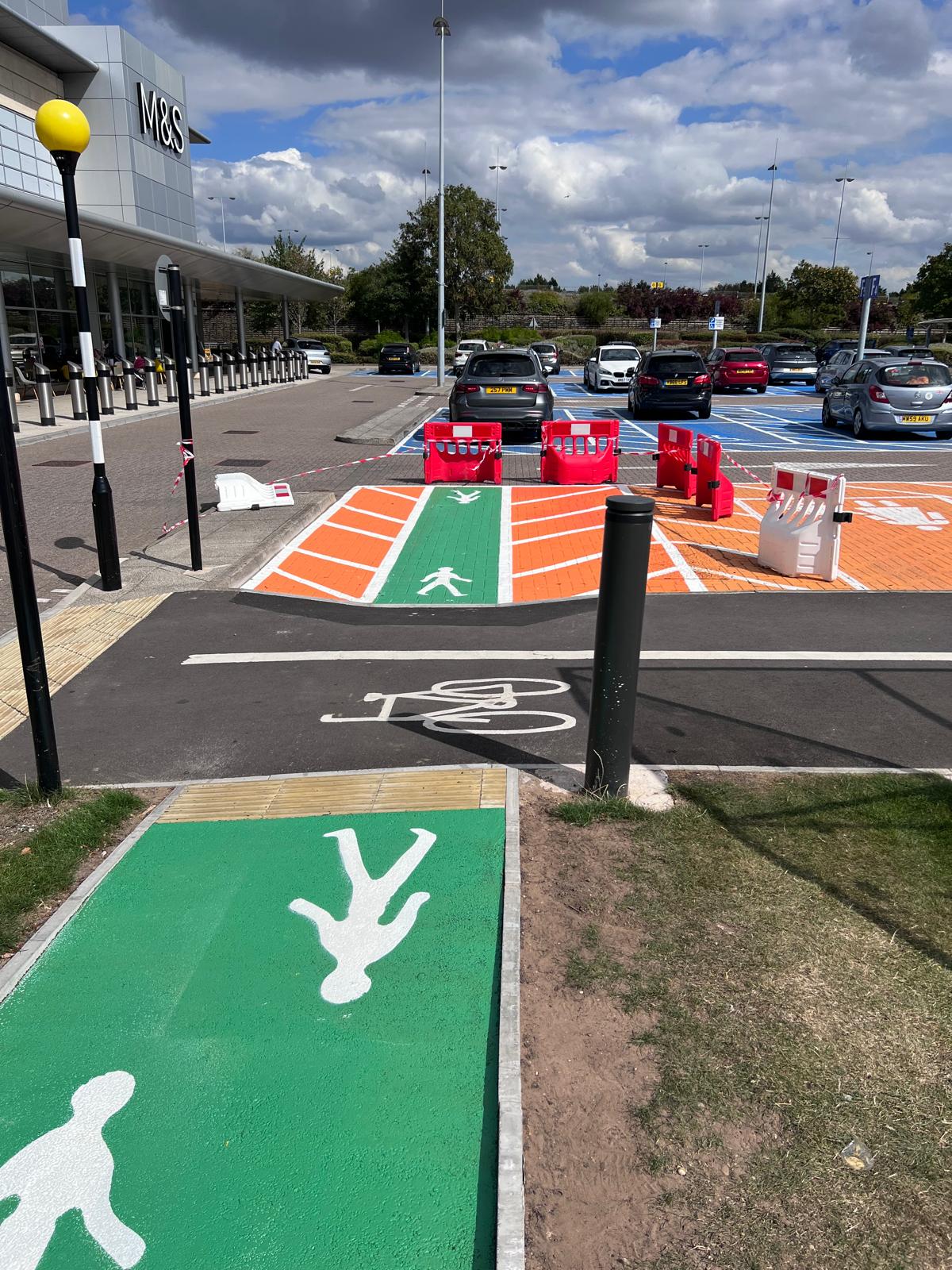
Maintenance and Longevity
Even the highest quality factory floor markings require maintenance to ensure continued effectiveness. Regular inspection schedules help identify areas where markings are becoming worn or damaged before they compromise safety.
Most industrial facilities benefit from annual marking assessments, with high-traffic areas potentially requiring more frequent attention. Our team can provide guidance on maintenance schedules based on your specific operational patterns and marking materials.
When markings do require renewal, our road marking removal services can cleanly remove old materials before applying fresh markings, ensuring optimal adhesion and appearance.
Compliance and Regulatory Considerations
Factory floor marking must comply with relevant health and safety regulations, including HSE guidelines and any sector-specific requirements that apply to your industry. Regular compliance reviews help ensure your markings continue to meet evolving standards.
Documentation plays a crucial role in demonstrating compliance during inspections. Maintain records of marking installations, maintenance activities, and any incidents or near-misses that might relate to floor marking effectiveness.
Professional Installation Across South Wales
Roman Road Marking serves industrial facilities throughout South Wales and South West England, bringing our expertise to factories in Newport, Cardiff, Swansea, and beyond. Our road marking Newport team understands the specific challenges faced by local industries, from the busy industrial estates around the M4 corridor to specialist manufacturing facilities across the region.
Our comprehensive service includes project planning, material specification, professional installation, and ongoing maintenance support. As CHAS accredited and Construction Line Gold approved contractors, we meet the stringent safety and quality standards expected by major industrial operators.
For facilities requiring bespoke markings such as company logos, specific symbols, or custom designs, our experienced team can create solutions that meet your exact requirements while maintaining safety standards.
Getting Started with Your Factory Floor Marking Project
The first step towards improved workplace safety through professional floor marking is understanding your specific requirements. Our experienced team can visit your facility to assess current conditions, discuss your safety objectives, and recommend appropriate marking solutions.
We provide detailed quotations that clearly outline materials, installation methods, and project timelines, helping you plan around your operational requirements. Most factory floor marking projects can be completed during planned shutdowns or outside normal operating hours to minimise disruption.
Ready to improve safety and efficiency in your facility? Contact Roman Road Marking today on 01633 837457 or get a free quote for your factory floor marking project. With over 30 years of experience serving industrial clients across South Wales and South West England, we're ready to help you create a safer, more organised workplace.
Need help with your road marking project? Roman Road Marking provides professional road marking services across Wales and the South West. Call 01633 837457 or request a free quote online.