
Understanding road marking colours and their meanings is essential for safe driving and legal compliance on UK roads. Each colour serves a specific purpose, conveying critical information about parking restrictions, traffic flow, and road usage. Whether you're a driver, property manager, or highway authority, knowing these colour codes helps ensure safety and regulatory compliance.
White Road Markings: The Foundation of UK Roads
White is the most common road marking colour across the UK, forming the backbone of our highway system. These markings indicate permitted areas for driving, parking, and general road usage.
Lane Markings and Centre Lines
White broken lines separate traffic lanes moving in the same direction, while solid white lines indicate areas where overtaking is prohibited or dangerous. Double white lines, where the line nearest to you is solid, mean you must not cross or straddle it unless entering or leaving premises.
Parking Bays and Permitted Areas
White parking bay markings indicate unrestricted parking areas where no specific time limits or charges apply. These are commonly found in car park marking projects for retail centres, offices, and residential developments across South Wales.
Yellow Road Markings: Restrictions and Warnings
Yellow markings indicate restrictions, warnings, or special conditions that drivers must observe. These are crucial for traffic management and safety in busy areas.
No Waiting Lines
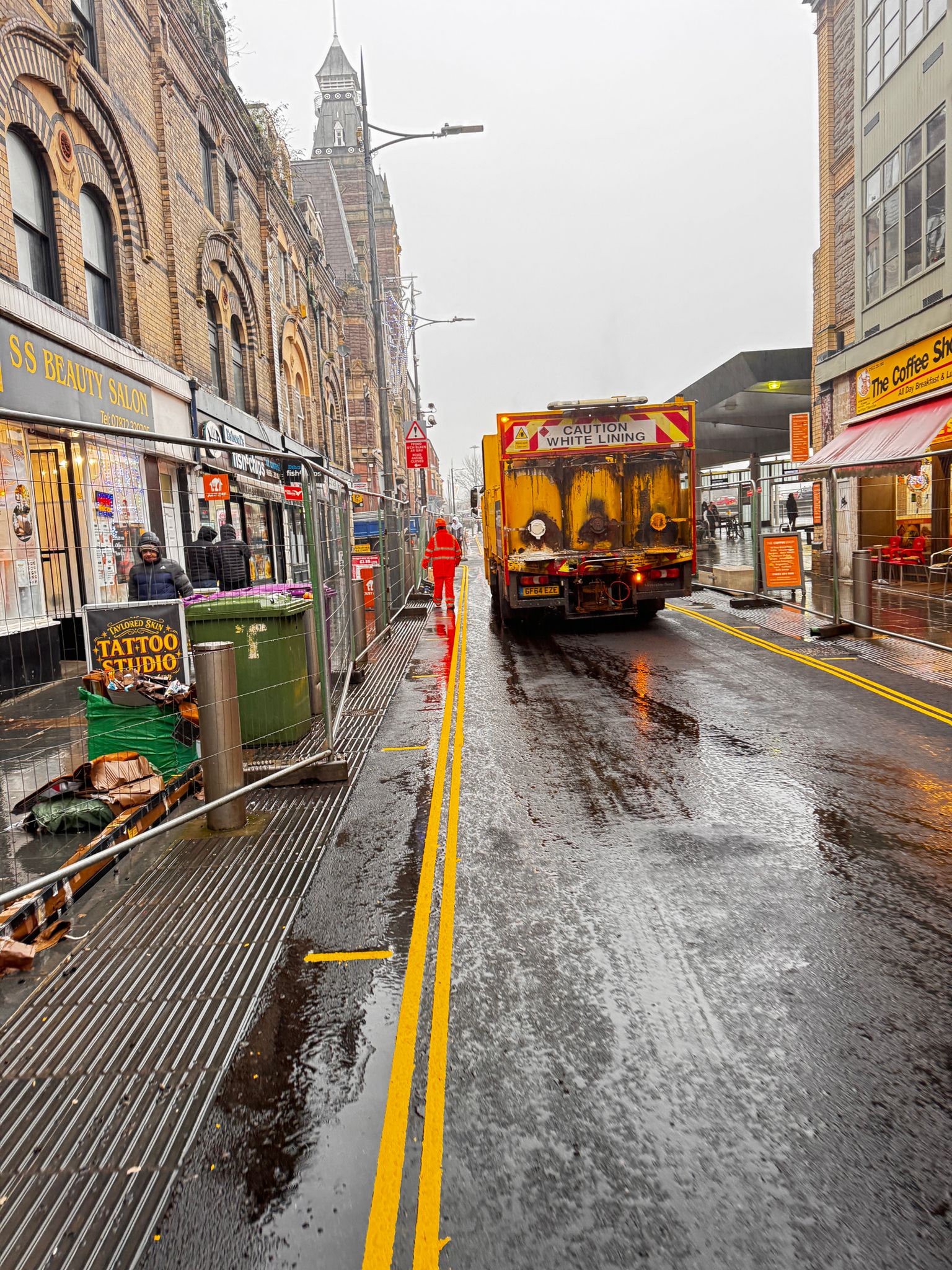
Single yellow lines mean no waiting during specified times (shown on nearby signs), while double yellow lines indicate no waiting at any time. These restrictions help maintain traffic flow in congested areas like Newport city centre and Cardiff's commercial districts.
Loading and Special Restrictions
Yellow loading bay markings permit loading and unloading during specified hours. Zigzag yellow lines near pedestrian crossings and schools create exclusion zones where stopping is prohibited for safety reasons.
Red Road Markings: Priority and Prohibition
Red markings indicate areas of high importance, typically relating to public transport, emergency services, or absolute prohibitions.
Bus Lanes and Public Transport
Red route markings, including red lines and thermoplastic road marking surfaces, designate bus lanes and routes where stopping is strictly controlled or prohibited. These are increasingly common in major Welsh cities and require specialist installation techniques.
Emergency and Priority Routes
Red markings also indicate clearways and routes that must remain clear for emergency vehicle access. Our team regularly installs these critical markings for road marking Newport projects involving hospitals and emergency services.
Blue Road Markings: Disabled Access and Special Services
Blue road markings primarily relate to disabled parking and accessibility requirements, though they also serve other specialized functions.
Disabled Parking Bays
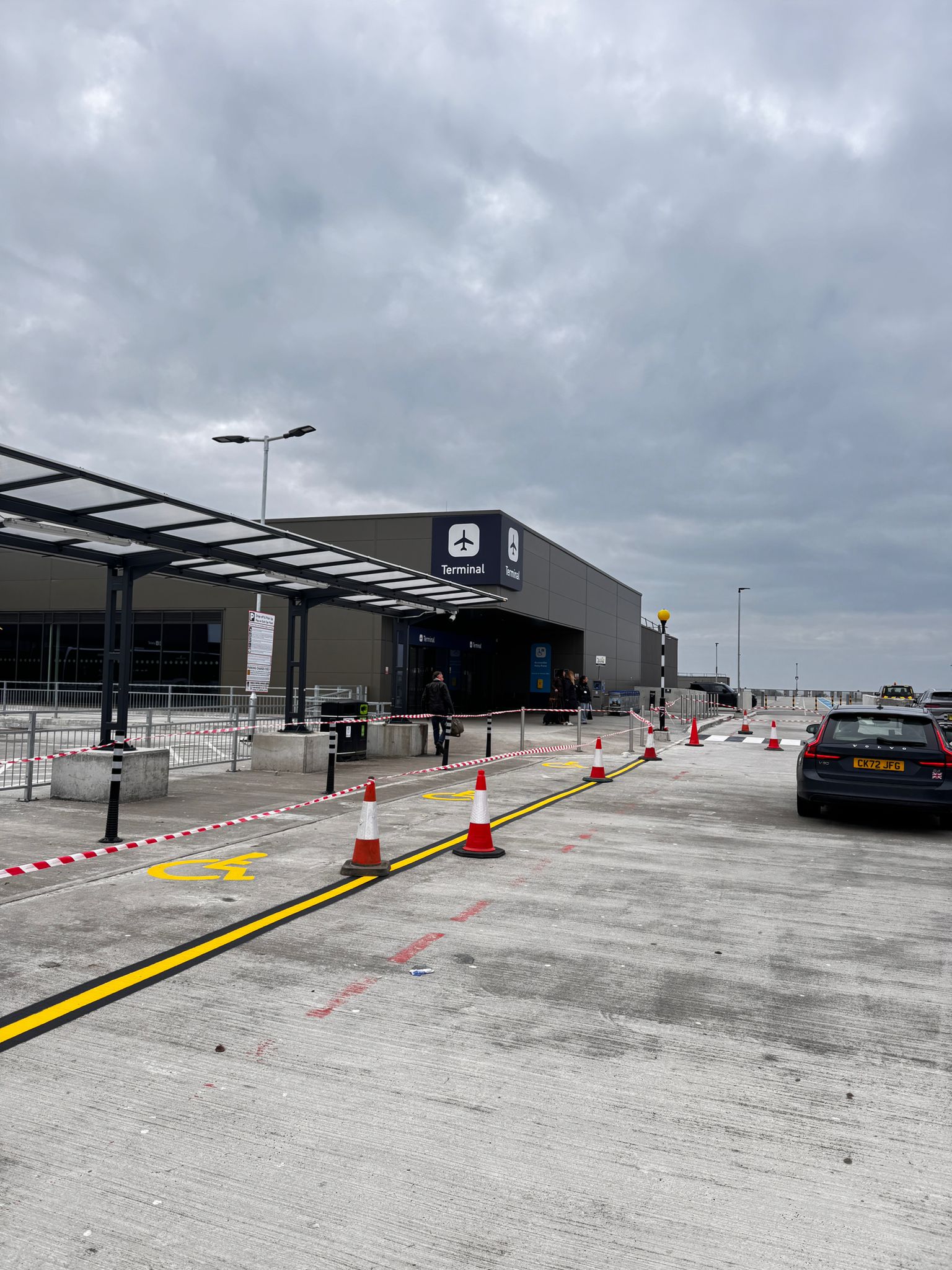
Blue parking bay markings designate spaces reserved for blue badge holders. These require specific dimensions and positioning to comply with accessibility regulations. When installing these markings in road marking Cardiff projects, we ensure full compliance with current disabled access standards.
Police and Official Vehicle Bays
Blue markings may also indicate parking areas reserved for police vehicles or other official services, particularly around government buildings and emergency service facilities.
Green Road Markings: Environmental and Cycle Infrastructure
Green markings are increasingly used for environmental initiatives and cycling infrastructure, reflecting the UK's commitment to sustainable transport.
Cycle Lanes and Sustainable Transport
Green cycle lane surfacing helps clearly define cycling infrastructure, improving safety for cyclists and awareness among drivers. These markings often incorporate anti-skid properties for enhanced grip in wet conditions.
Electric Vehicle Charging Bays
Green parking bay markings are becoming standard for electric vehicle charging points, supporting the transition to cleaner transport across Welsh communities.
Material Considerations for Road Marking Colours
The durability and visibility of road marking colours depend heavily on the materials and application methods used. Road marking paint using chlorinated rubber provides excellent colour retention, while thermoplastic applications offer superior longevity for high-traffic areas.
Reflectivity and Night Visibility
Modern road marking materials incorporate glass beads or other reflective elements to maintain visibility in all lighting conditions. This is particularly important for safety-critical markings like those found on the M4 corridor serving Newport, Cardiff, and Swansea.
Compliance and Professional Installation
Proper road marking colour application requires adherence to British Standards and local authority specifications. As an ISO 9001 certified company with over 30 years of experience, Roman Road Marking ensures all colour applications meet regulatory requirements and provide long-lasting performance.
Our Sector Scheme 7 approval means we're qualified to work on all categories of UK highways, from local authority projects to major trunk roads. Whether you need bespoke markings for a private development or compliance markings for public highways, we deliver professional results that stand the test of time.
Understanding road marking colours and their meanings helps create safer, more organized traffic environments. For professional road marking services across South Wales and South West England, contact Roman Road Marking on 01633 837457 or get a free quote for your project. With our expertise and certified quality standards, we ensure your road markings communicate clearly and effectively for years to come.
Need help with your road marking project? Roman Road Marking provides professional road marking services across Wales and the South West. Call 01633 837457 or request a free quote online.